When comparing popular platforms like Grow Therapy vs. Rula, it can feel overwhelming to find the best online therapy option. Both help make mental health care more accessible, but they differ in insurance coverage area, integrated care options, provider diversity, and medication management.
This guide breaks down how each platform works so you can make an informed decision about the option that best fits your personal needs and budget.
Key takeaways
- Grow Therapy offers both virtual and in-person care, while Rula is primarily virtual.
- Pricing is similar for many insured clients, with both platforms using in-network benefits to keep per-session costs relatively low, depending on the plan.
- Grow Therapy accepts a wider range of insurance plans compared to Rula, which may make finding in-network care more accessible for clients.
- Rula offers a higher number of specialties, but both Grow Therapy and Rula cover key specialty areas like child/teen counseling and couples therapy.
- Grow Therapy provides robust therapy tools to provide ongoing support between sessions, whereas Rula’s platform has limited tools.
Rula vs. Grow Therapy at a glance
| Grow Therapy | Rula | |
|---|---|---|
| Pricing model | Pay-per-session | Pay-per-session |
| Number of insurance plans accepted | 100+ | 80+ |
| Multiple specialties offered | ✔ | ✔ |
| Virtual and in-person sessions available | ✔ Virtual or in-person; nights and weekend availability | X Primarily virtual |
| Therapy tools | ✔ Progress tracking tools, therapy toolkit, self-guided resources | X Limited platform tools |
What is Grow Therapy?
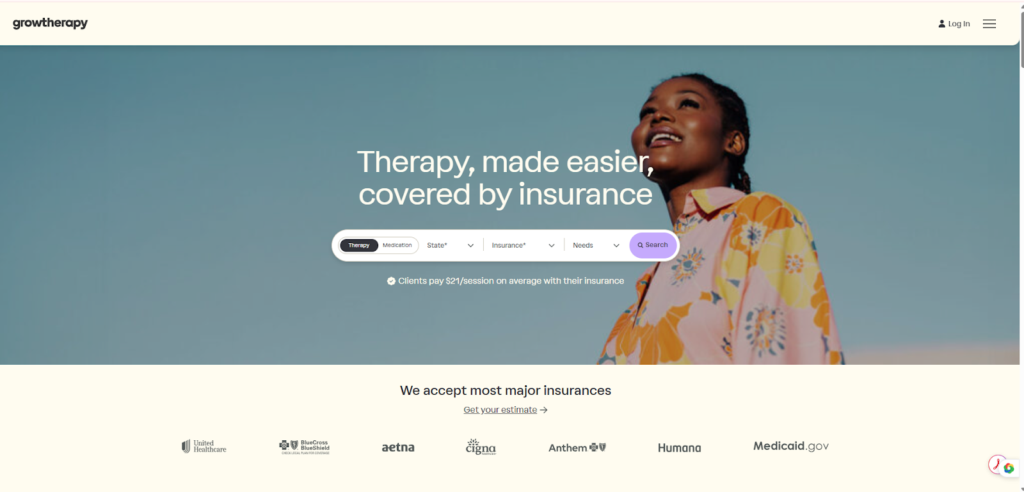
Grow Therapy is an online therapy platform designed to connect you with licensed counselors, therapists, and psychiatric providers for both virtual and in-person support. Grow partners with over 100+ insurance plans so that you can easily book with a clinician who takes your insurance, which makes things simpler. You can also quickly find a provider who specializes in your needs, thanks to their extensive national provider network with over 135 specialties. Grow offers convenient mental health care and aims to help clients use their insurance or private-pay options in a way that fits their budget.
Grow Therapy pros and cons
| Pros | Cons |
|---|---|
| • Offers virtual and in-person session options | • Cash pay rates vary by provider |
| • Accepts 100+ insurance plans, including Medicaid and Medicare | • In-person availability depends on location |
| • Provides the ability to see a therapist and prescriber all in one platform | |
| • Features digital tools to continue care in between sessions |
Grow Therapy makes it simple for clients to find care that fits their needs, whether they prefer virtual sessions, in-person visits, or a mix of both. The online therapy platform works with more than 100 insurance plans, including Medicaid and Medicare in some states, and makes both therapy and medication management accessible in one place. Grow’s digital tools, including its AI-powered journaling and therapy toolkit, also offer support between sessions and help clients track their progress.
Before finding a therapist, keep in mind that appointment availability can vary by location. For example, evening and weekend openings may be limited in some areas, and in-person options depend on what is available in each state. Cash-pay rates also differ by provider, so costs may vary for clients who aren’t using insurance. Even with these considerations, Grow Therapy’s broad insurance coverage, flexible care options, and supportive digital tools make it a strong option for many people seeking mental health care.
What is Rula?
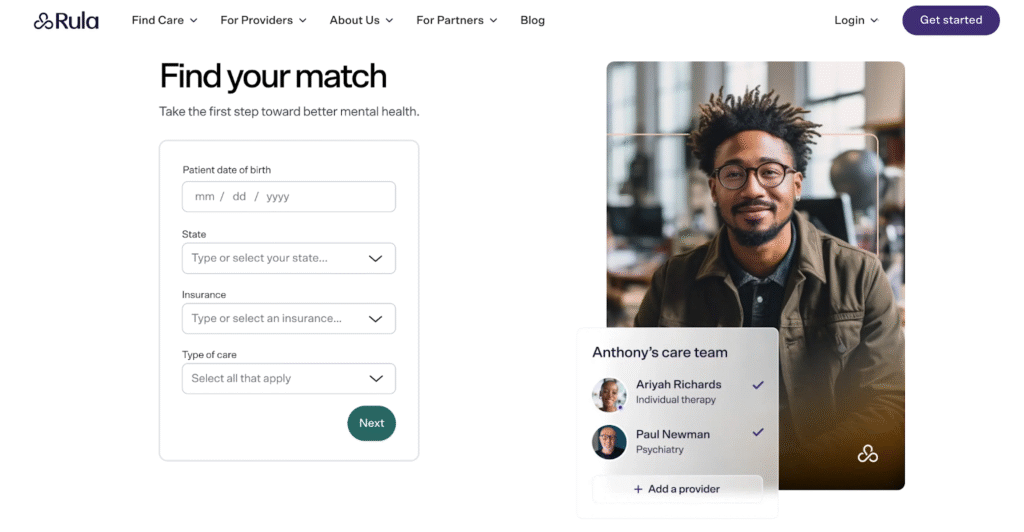
Rula is an online therapy platform designed for clinicians who primarily provide virtual therapy. Clients meet licensed therapists for virtual sessions, which makes it an excellent option for clients who want accessible care. Rula works with a range of insurance plans and matches clients with clinicians based on their preferences and individual needs, with exact coverage varying by location and plan.
Rula pros and cons
| Pros | Cons |
|---|---|
| • Primarily a virtual therapy platform | • Minimal access to face-to-face sessions |
| • Low per-session cost with in-network insurance | • Need to provide personal details before browsing providers |
| • Accepts 80+ insurance plans, including Medicaid and Medicare | • Limited progress tracking tools in between sessions |
| • Offers a wide range of clinical specialties |
Rula is built for clients who are looking for a straightforward virtual therapy experience. The platform keeps things accessible with a low average session cost for those using insurance and coverage across more than 80 plans, including Medicaid and Medicare in some states. It also offers an extensive range of clinical specialties, making it easy for clients to find providers who focus on specific concerns.
At the same time, the platform’s virtual-only model means clients looking for in-person or hybrid options may need to look elsewhere. Rula also requires clients to share personal details before browsing provider options, which may feel limiting for those who prefer to explore first. In addition, progress-tracking and between-session tools are fairly minimal, so clients who rely on more structured support outside of appointments may find the experience less robust. Overall, Rula may be a fit for clients seeking affordable and flexible virtual therapy with a wide selection of clinical specialties.
Compare Rula vs. Grow Therapy benefits
Pricing & insurance acceptance
Grow Therapy

Grow Therapy uses a pay-per-session model, and your payment depends on your insurance coverage. With accepted plans like Cigna, Aetna, Optum, and Blue Cross Blue Shield, many clients pay only their in-network copay or coinsurance, and some may qualify for very low or no out-of-pocket costs, depending on their plan. Also, Grow accepts Medicare and Medicaid coverage, and for some individuals, understanding the difference between Medicaid vs. Medicare is crucial for budgeting therapy costs. Before booking a session, clients have access to Grow’s upfront cost estimate tool so they can prepare for how much they’ll pay.
Rula
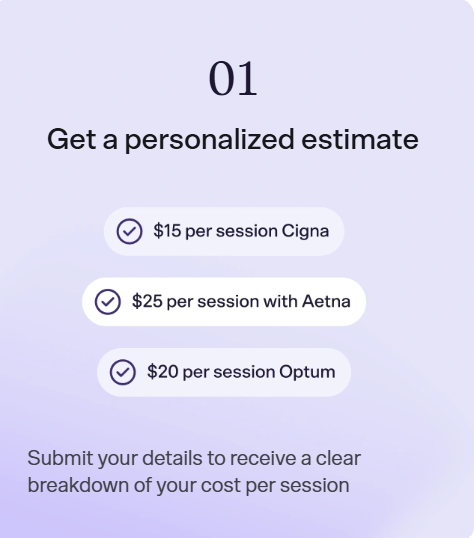
Rula uses a pay-per-session model, and many clients with in-network insurance pay only a modest copay or coinsurance per session, with exact amounts depending on their specific plan. The exact amount depends on what a client’s insurance plan covers, but many pay only a small copay or coinsurance when their plan is in network.
For clients without insurance or for those whose plan isn’t accepted, the full session fee must be paid out of pocket, and these rates vary by provider. Rula does offer cost estimates during the onboarding process, but clients need to enter personal and insurance details first before they can see a price specific to their situation.
Specialties offered
Grow Therapy
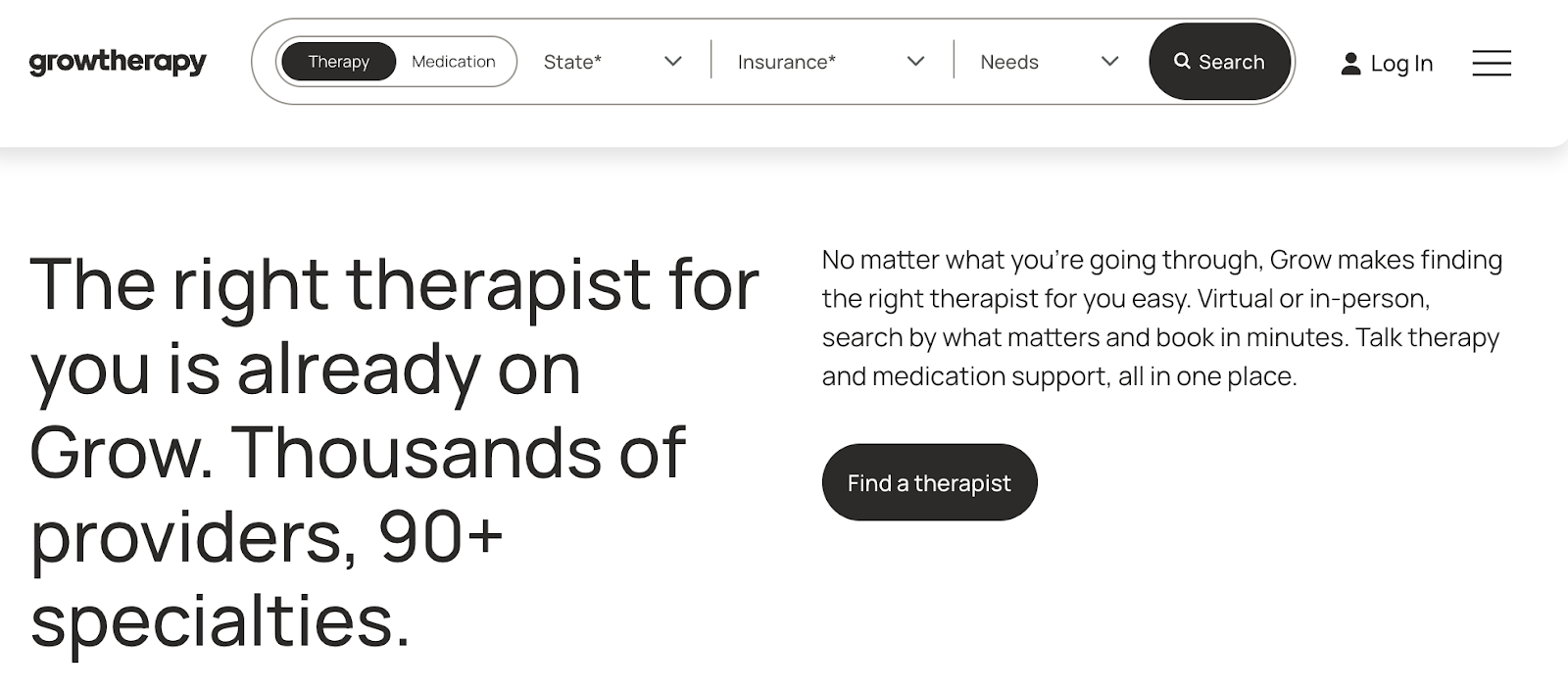
Grow Therapy offers 135 specialties, giving clients plenty of options when it comes to finding the right type of support. Providers help with common concerns like anxiety, ADHD, depression, bipolar disorder, eating disorders, mood disorders, and OCD. There are also therapists who focus on relationship and life challenges, including couples counseling, career counseling, and family conflict. For clients dealing with more sensitive or trauma-related experiences, Grow has clinicians who specialize in areas such as grief, racism, sexual abuse, PTSD, self-harming behaviors, and substance use disorders. With such a wide range of specialties, clients can more easily connect with someone who understands what they’re going through.
Rula

Rula offers an extensive selection of clinical specialties, giving clients access to support for a wide range of mental health needs. The platform includes providers who focus on areas such as child and teen counseling, couples therapy, trauma, anxiety, depression, ADHD, and many more, totaling more than 180 specialties. This breadth makes it easier for clients to connect with clinicians who have experience in the exact concerns they want to address, including more niche or highly specific areas of care.
Scheduling flexibility
Grow Therapy
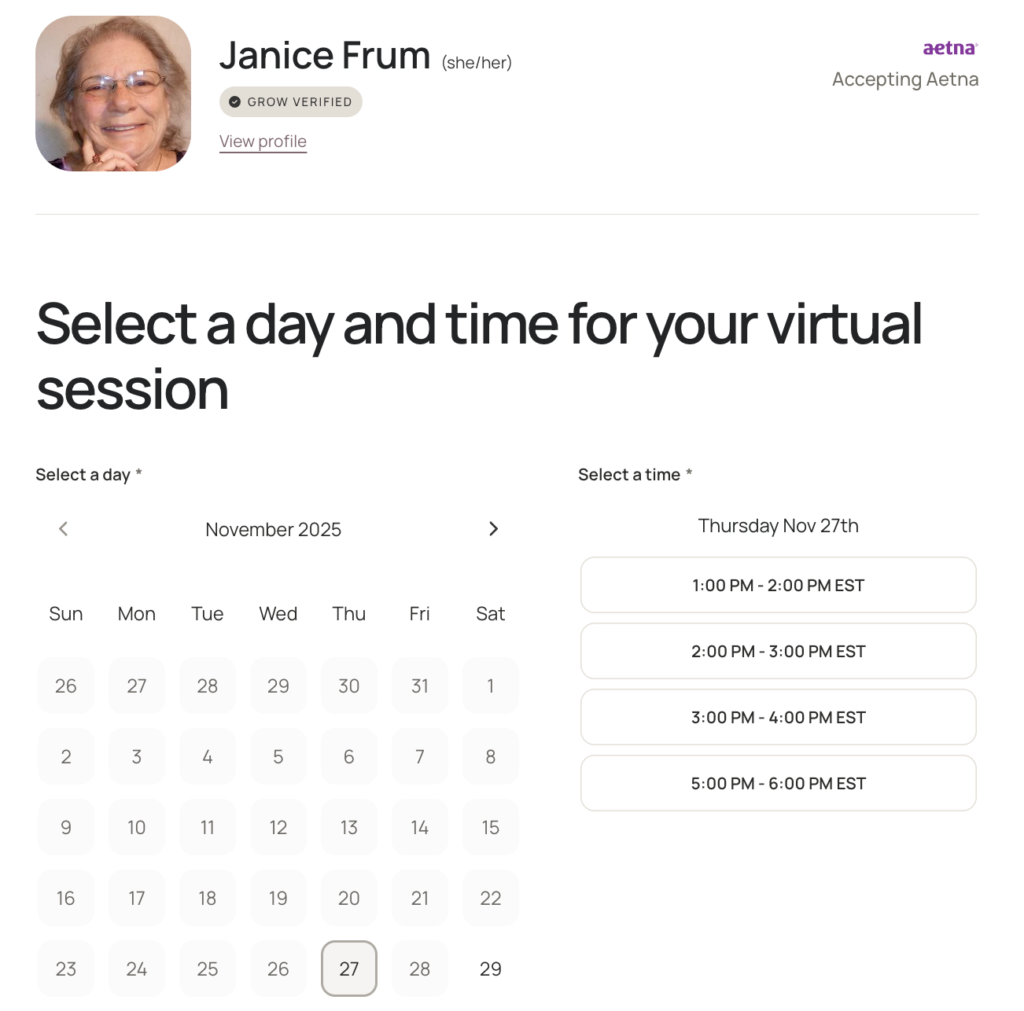
Grow Therapy also offers flexible scheduling that makes it easier for clients to start care quickly. Many clients are able to schedule an appointment as soon as the next day, which can be significantly faster than typical wait times for behavioral health services in many areas. Many providers offer a mix of daytime, evening, and weekend appointments, giving clients more options to fit therapy into their routines. And with both virtual and in-person sessions available, clients can choose the format that works best for them. While availability can vary by location and provider, the overall flexibility helps clients build a therapy schedule that feels realistic and sustainable.
Rula
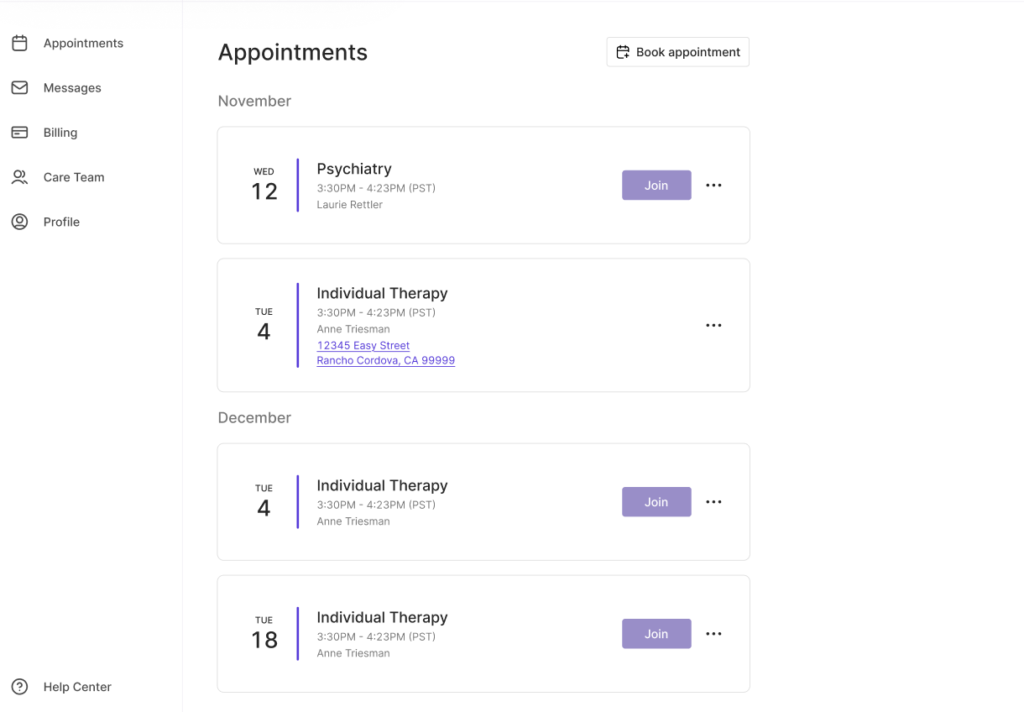
Rula is designed around virtual care, making it a convenient option for clients who prefer meeting with a therapist online. Sessions take place through secure video, so clients can access support from home, work, or anywhere they feel comfortable. This format eliminates travel time and often makes scheduling easier, especially for those with busy days or limited access to in-person providers. While Rula does not offer the same level of in-person availability as some other platforms, its virtual-first approach is ideal for clients who value flexibility and want therapy that fits easily into their daily lives.
How to choose the right therapy platform
Choosing between Grow Therapy and Rula depends on what matters most to the client. The factors below can help guide the decision:
- Cost: Look at each platform’s cost estimates to understand potential out-of-pocket fees and what sessions may cost with insurance.
- Insurance coverage: Check which platform works with the client’s specific insurance plan to determine where in-network options are available.
- Session format: Consider whether the client prefers virtual sessions only or wants the option for in-person visits as well.
- Therapy goals: Think about the types of specialties or support the client is looking for and which platform’s provider network best aligns with those needs.
Final thoughts
Grow Therapy and Rula both make mental health care more accessible, but each platform offers something different depending on what the client needs. Grow Therapy may be the better fit for clients who want the flexibility of virtual and in-person sessions, broader insurance coverage, or extra tools and support between appointments. Rula is a great choice for clients who prefer fully virtual care, are looking for lower average session costs with insurance, or want access to a large number of clinical specialties.
By considering cost, insurance coverage, session format, and therapy goals, clients can choose the platform that best matches their preferences and makes getting care feel easier and more comfortable.
Curious about other online therapy platforms, too? Learn more about:
- BetterHelp vs. Grow Therapy
- Alma vs. Grow Therapy
- Headway vs. Grow Therapy
- Talkspace vs. Grow Therapy
Frequently asked questions
Which is better, Rula or Grow Therapy?
Grow Therapy may be the stronger choice for in-person care, broader insurance coverage, and a wider range of specialties.
Who are the competitors of Rula?
Rula’s competitors include major platforms such as Grow Therapy, Alma, and Headway, among others. If you’d like to explore these options in more depth, you can see related guides such as Headway vs. Grow Therapy and Alma vs. Grow Therapy.
How does the pricing compare between Grow Therapy and Rula?
Both platforms use a pay-per-session model. Grow Therapy’s larger insurance network can help many clients find in-network care with predictable copays or coinsurance, while Rula may offer lower typical costs for some insured clients, depending on the plan.
What are the key differences between Grow Therapy vs. Rula?
Grow Therapy offers greater flexibility for many clients, with both in-person and virtual care, medication management, and a wide range of insurance carriers. Rula is tailored for clients seeking a virtual-only experience with guided matching and a streamlined onboarding process.