
The demand for therapy across the U.S. has reached record levels — and the way people seek care is changing faster than ever. More than 1 in 5 U.S. adults experience mental illness each year. According to Grow Therapy’s State of Mental Health Report, therapists say the most common concerns bringing clients to therapy are anxiety or stress (34%), followed by depression (15%) and trauma (9%).
Over the past several years, the shift to remote technology and lessening stigma surrounding mental health awareness have transformed how people approach mental health care, creating new mental health trends centered on accessibility, flexibility, and affordability.
Below, we explore eight mental health consumer trends that reveal how digital innovation is enabling better outcomes, improving accessibility, and shaping the future of mental health.
1. Technology integration: Online therapy, AI, and virtual-first care
Mental health research indicates that telehealth tools, such as online therapy, have become the new norm in mental health care delivery. In February 2025, 62.3% of patients with a telehealth claim had a diagnosis of mental health conditions. Virtual platforms improve access by making it easier to book sessions, communicate between visits, and receive support without many of the traditional logistical barriers, though services still depend on state licensing requirements.
In addition to virtual care, innovative AI tools are helping providers deepen insights and streamline care. At Grow Therapy, this includes Between-Session Reflections as well as an AI note-summarization tool that significantly reduces administrative work — allowing therapists to devote more attention to their clients.
This technology complements the human element of care, making it easier for providers to focus on building empathy and trust while expanding access to quality services.
2. Demographic shifts: Younger generations, neurodiversity, and evolving needs
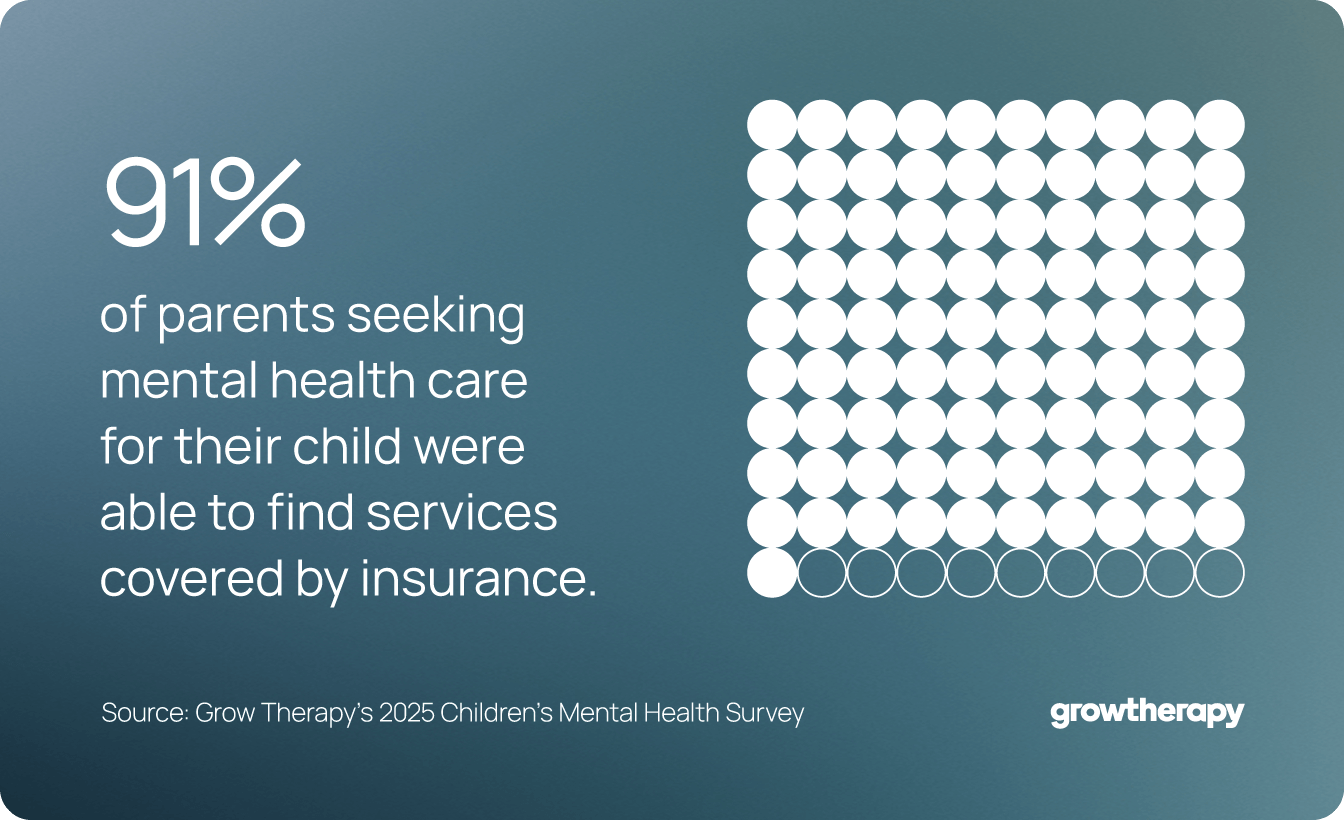
While millennials and Gen Z remain two of the largest groups seeking therapy, new data highlights how parents are also playing an active role in navigating mental health support for their families. According to Grow Therapy’s 2025 Children’s Mental Health Survey, 91% of parents who sought care for their child were able to find services covered by insurance, demonstrating that many Gen X and older millennial adults are directly involved in accessing and coordinating mental health care.
This growing parental involvement highlights how families are taking a more active role in coordinating care — a shift that’s changing expectations for accessibility and collaboration in mental health services. Surging rates of ADHD, anxiety, and depression diagnoses among children and young adults have led to greater demand for therapists experienced with varied communication styles. Virtual sessions can make it easier for neurodivergent clients to manage integral aspects of their care, such as sensory comfort and other essential needs.
Platforms like Grow Therapy help you find the right online therapist, allowing you to filter by identity, specialty, and treatment method. By making it easy to find exactly what you need, telehealth is closing generational and neurological gaps that once limited care.
3. Workplace mental health: From perk to priority
The workplace is often one of the top sources of stress. According to SHRM, 31% of U.S. workers say their job causes them stress “always or often.”
More companies are offering benefits for virtual counseling or integrating other telehealth benefits as part of a core pillar of organizational well-being. According to the 2025 EBRI Employer Mental Health Survey, 73% of employers offer access to virtual mental health care, and 68% measure employee satisfaction with the quality of mental or behavioral health care received.
Teletherapy allows employees to meet with licensed mental health providers confidentially and on their own time, eliminating workplace stigma or scheduling conflicts. Flexible platforms like Grow Therapy offer evening and weekend sessions, making it easy to get care on your schedule.
4. Holistic wellness: Lifestyle, mind-body approaches, and overall well-being
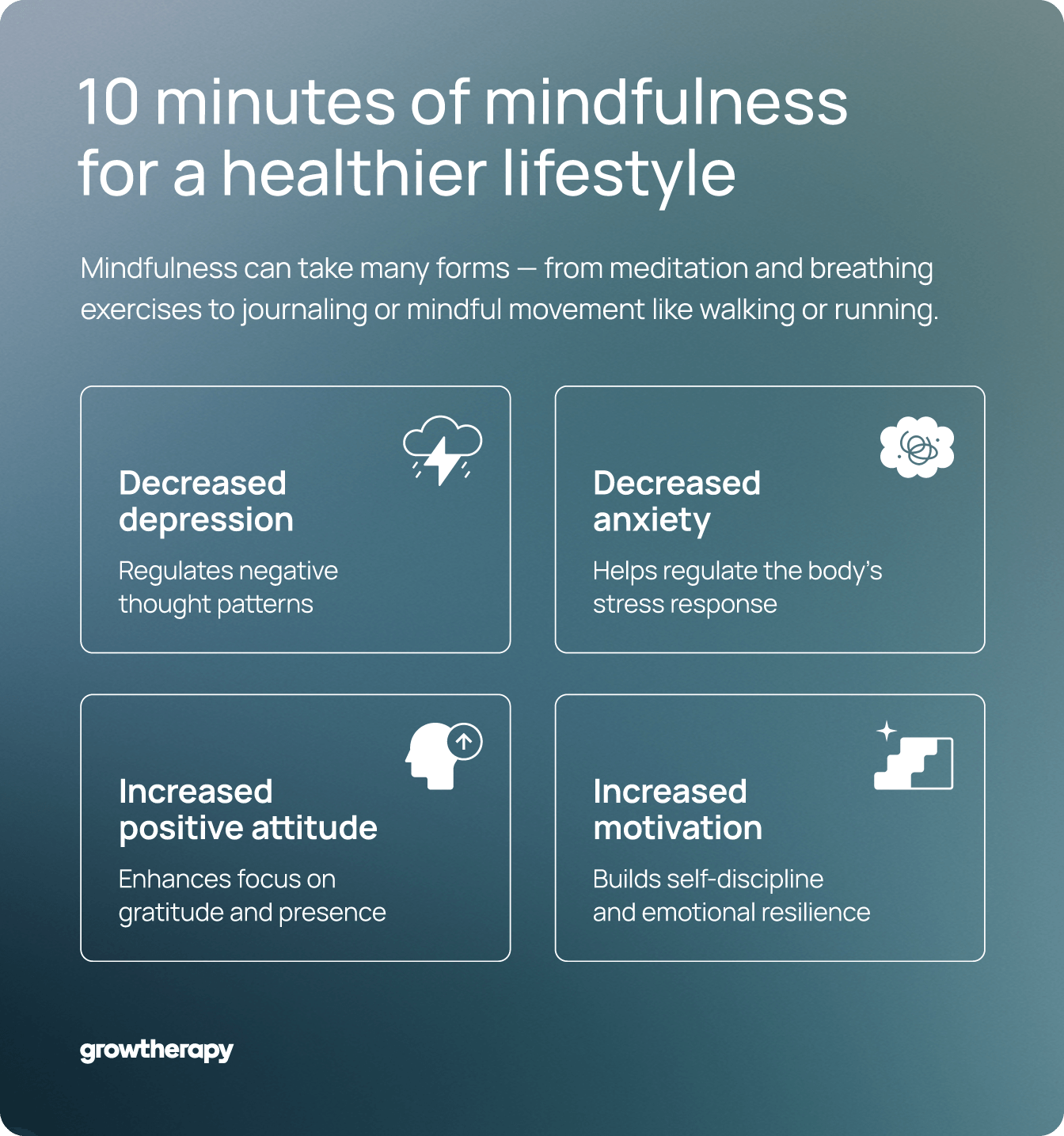
Mental and physical health have increasingly merged into a holistic approach to overall prosperity. Studies show that regular exercise, quality sleep, and a balanced diet improve mood and reduce anxiety. Also, practicing just 10 minutes of daily mindfulness can result in almost 20% fewer depression symptoms, decreased anxiety, a more positive attitude, and greater motivation to adopt healthier lifestyle changes.
Digital tools make it easier to monitor and improve mental well-being. Clients can use apps and wearable technology to track sleep, nutrition, mindfulness, and other aspects of their lives, providing supplemental data that therapists can use to assess care needs. Telehealth makes this coordination seamless, enabling providers to discuss progress or setbacks in real time.
Incorporating lifestyle choices into treatment plans reflects a broader shift toward whole-person care, where mental and physical well-being are closely connected.
5. Integrated care: Embedding behavioral health in primary settings
Integrated care models are bridging the gap between mental and physical health. Trilliant Health reports that the total number of behavioral health visits in the U.S. in 2024 reached 66.4 million, compared to 62.8 million in primary care visits.
With that growth, embedding behavioral health in the primary care phase becomes more essential than ever. A meta-analysis in JAMA Internal Medicine found that collaborative care for depression improved outcomes compared with usual care, and that its effectiveness was strongly linked to better medication adherence.
Telehealth strengthens these connections by enabling physicians and therapists to collaborate securely on shared cases in real time. Primary care doctors can refer patients to Grow Therapy clinicians, and digital tools make it easier to share information and coordinate follow-up care. While this is not a fully integrated care model, improved communication between medical and mental health providers can help normalize mental health support within primary care.
6. Gaps in care and accessibility: Virtual expansion meets persistent shortages
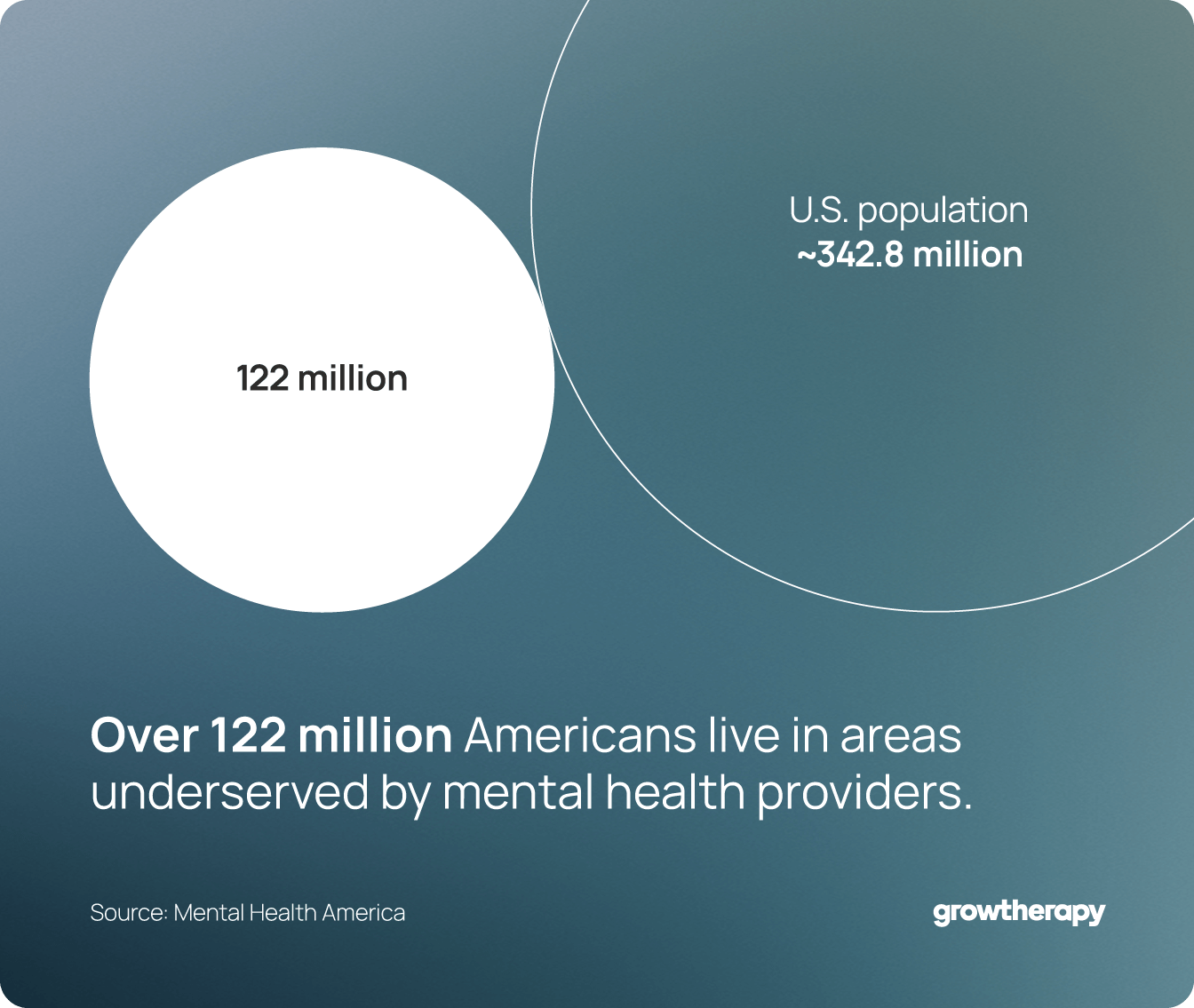
Despite technological expansion, over 122 million Americans still live in areas underserved by mental health providers. Rural communities, Medicaid recipients, and people with language barriers are particularly affected. What’s more, 21% of the 29.5 million U.S. adults with any mental illness who did not receive care said they had an unmet need for mental health treatment in 2024, underscoring how awareness is rising faster than provider availability.
Virtual care is reshaping who can finally receive treatment. Older adults, multilingual families, and people with disabilities — groups historically left out of the mental health system — are using telehealth to overcome geographic constraints, mobility challenges, and cultural mismatches. Virtual access isn’t just replacing in-person therapy; it’s opening the door for people who previously had no realistic path to care.
Grow Therapy is part of this shifting mental health trend, partnering with 100+ insurance plans, including Medicaid in select states, to make therapy more affordable. Most clients pay around $21 per session with insurance, and some pay as little as $0, depending on their plan.
Still, continued investment in broadband internet expansion and efforts to achieve insurance parity are vital. As states extend telehealth reimbursement through 2026, virtual therapy is likely to remain a primary means of addressing America’s persistent care gaps.
7. Care equity: Inclusivity and culturally competent support
Representation and cultural understanding have become essential to providing equitable and effective mental health care. Clients who see providers with similar backgrounds often have stronger therapeutic connections and better outcomes. Research in the Journal of Public Health suggests that including bilingual staff and tailoring to the client cultural norms can significantly improve access to and engagement with mental health care for minority and culturally diverse communities.
Grow Therapy’s diverse provider network reflects these mental health trends. Almost 56% of our providers identify as BIPOC or Latinx, and users can search for therapists by race, language, gender identity, or sexual orientation. This level of transparency empowers clients to choose the therapist with whom they feel safest.
Providing culturally competent support involves embracing diversity and fostering a sense of belonging. Telehealth offers marginalized populations access to inclusive care options, eliminating institutional barriers that have long excluded them.
8. Prevention and resilience: The need for investment in early intervention tools
While the idea of prevention isn’t new, the investment behind it needs to grow — and it’s quickly becoming one of the most significant mental health trends to emerge in recent years. Nearly 3 in 10 U.S. adults with serious mental illness still get no care at all. Schools, workplaces, and health care systems are embracing resilience-building programs, early screenings, and digital self-check tools to help prevent escalating issues.
Telehealth simplifies preventive care by making it easier to seek help — allowing clients to schedule virtual sessions through secure platforms. NIMH highlights the importance of developing more personalized mental health interventions — refining, matching, and sequencing treatments so they better fit individual needs and can be used effectively in real-world community settings.As the need for preventive approaches expands, therapy will need to shift from a reactive safety net to proactive care, emphasizing early identification and support. The new trend isn’t the concept of prevention itself, but the widening access to programs and technologies that help people build resilience long before symptoms escalate.
What these trends mean for providers and patients
Together, these mental health trends mark a fundamental shift toward personalized, preventive, and platform-based care. Providers who adopt digital tools and flexible scheduling are better suited to meet clients’ expectations, while patients gain more control over when and how they receive support.
Telehealth care has evolved into an essential option for delivering care across generations and diverse communities. By embracing accessibility and inclusivity, both clients and therapists can shape a future where mental health care truly integrates with all aspects of modern life.
Grow Therapy: Supporting providers and patients through change
Grow Therapy’s mission reflects the current mental health trends to make therapy accessible, affordable, and affirming — without compromise. Clients can quickly find a therapist by searching by identity, specialty, or insurance provider. Virtual and in-person options, along with flexible availability, make getting help easier than ever. Grow Therapy handles insurance, billing, and referrals, so providers can focus more of their efforts on delivering exceptional care without administrative barriers.
With a diverse network of over 25,000 providers, Grow Therapy can provide you with the help you need, offering an average wait time of as little as two days. Take the next step in your mental health journey and get matched with a licensed Grow Therapy therapist today.